Was ist Memory Foam? Wie es mit anderen Matratzen verglichen wird
Why is it called memory foam?
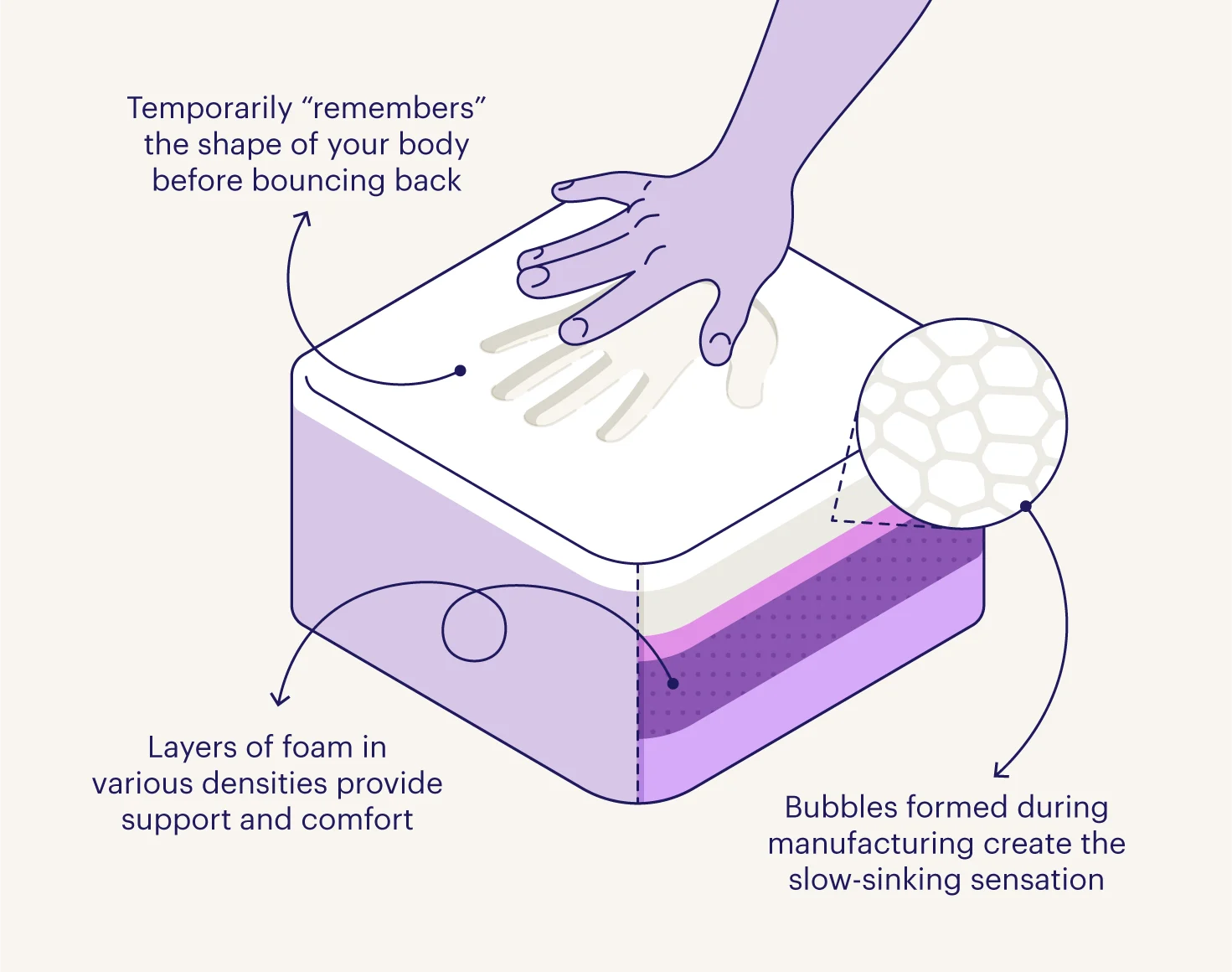
Memory foam’s name comes from its viscoelastic nature, meaning its density slowly changes under pressure (viscosity) but the material regains its original shape when the pressure is removed (elasticity).
In other words, memory foam “remembers” the shape of your body and retains a temporary imprint after you rise from its surface.
For the last 30 years, memory foam mattresses have been widely available and fairly popular for how they cradle the body to provide pressure relief. But the sinking feeling that leaves some sleepers feeling trapped and the way memory foam can retain heat has led discerning shoppers away from these mattresses.
Despite the popularity of memory foam mattresses, many people still ask: What is memory foam? We’ll explore what memory foam is, how it compares to other mattresses, and the best alternatives to Nectar and other memory foam beds, including Purple.
Innovative Schlaftechnologie
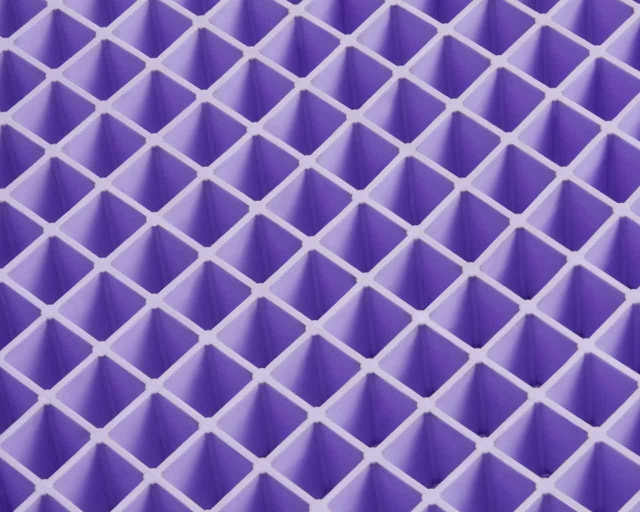
Unser GelFlex Grid® ist eine überlegene Alternative zu Memory-Schaum, der eine konforme Druckentlastung ohne verzögertes Ansprechen bietet.
What Is Memory Foam Made Of?
Memory foam, or viscoelastic polyurethane foam, consists of polyols and isocyanates, key components for creating plastics like polyurethane that add density and viscosity. It’s also known as low-resistance polyurethane foam, but it was originally called “slow spring back foam” or “temper foam.”
Why Was Memory Foam Invented?
NASA originally developed memory foam in 1966 to improve the safety and comfort of airplane seats. Commercialization expanded its applications to cushion sports helmets, insoles, and medical beds, where it served to prevent bedsores or gangrene in patients who lay immobile on firm mattresses.
Eventually, memory foam became more widespread, with the advent of the first memory foam mattress in 1991. These contouring mattresses became popular among sleepers seeking to relieve aching joints, and they remain popular today. Many brands manufacture memory foam mattresses, toppers, and hybrids with memory foam layers.
How Is Memory Foam Made?
Making this memory foam material is a fairly straightforward process. Manufacturers typically follow these steps:
- Combine chemicals including polyols and isocyanates with catalysts to induce and control a chemical reaction.
- Whip this mixture until it’s frothy, then pour it into a mold where a heat-releasing reaction occurs, turning the mixture into a foam.
- Add gas or blowing agents to create bubbles in the foam, or vacuum seal the mold to encourage expansion.
- Allow the foam to cure, which may take hours or days.
- Once the foam has cooled, wash and dry it before inspecting it.
- Cut and assemble the foam into its desired shape.
How Does Memory Foam Work?
Memory foam contours around your body and has slow moving properties, so after you press down on it and release the pressure, it will remain in that shape for a few seconds before springing back up.
Compared to other mattresses, memory foam mattresses are made with dense foam material that makes you feel like you are “sinking” into the bed and helps decrease motion transfer. This material is temperature-sensitive, which means your body will sink more as it warms it up.
Memory foam mattresses allow the sleeper’s weight to be evenly distributed because of their contouring properties, decreasing pressure on joints such as the shoulders and hips.
While these memory foam properties can appeal to sleepers with partners who toss and turn, low-responsive mattresses like memory foam can retain heat, causing discomfort.1 For heavier individuals, memory foam may sink too much, putting added pressure on sensitive joints.
Types of Memory Foam
Most modern memory foams are fairly similar, but if you’re considering different mattresses, be on the lookout for these types of foam:
- Herkömmlicher Memory-Schaum: Traditional memory foam mattresses haven’t changed much since they first appeared. They’re known for their heat-sensitive slow sinkage.
- Plant-based memory foam: Some memory foam mattresses use coconut foam, soy, and other plant materials. They tend to have a cleaner footprint and may be more responsive than other options.
- Offenzelliger Speicherschaum: Made from the same materials as traditional memory foam, what sets open-cell variants apart is vacuum sealing or blowing agents that create larger air pockets for better airflow and ventilation.
- Gel Memory Foam: A combination of traditional memory foam and gel layers of the mattress may reduce the heat retention that traditional foam beds are known for.2
- Bamboo charcoal memory foam: Like gel memory foam, bamboo charcoal layers or infusions are intended to improve cooling properties with a more environmentally conscious material.
Pros and Cons of Memory Foam Mattresses
For many years, memory foam was one of the most popular types of mattresses commercially available, but sleep technology has come a long way since the 1960s. Still, memory foam mattresses are widely available, so if you’re considering one, it’s important to weigh the pros and cons before committing to a mattress.
Vorteile | Überlegungen |
Minimale Bewegungsübertragung | Can retain heat |
Gegengewichtsverteilung | Sinking feeling may be unpleasant |
Cradled pressure relief | Slow responsivity makes movement challenging |
High-density options can be durable | May off-gas more than alternatives |
May not be very durable | |
Not ideal for all sleepers | |
Not usually eco-friendly |
Vorteile
Memory foam mattresses are popular for many reasons, including:
- Isolierung der Bewegung: They’re likely to reduce tossing and turning at night, which is a leading cause of poor sleep.
- Gewichtsverteilung: They distribute body weight evenly, which provides support for your body.
- Druckentlastung: By contouring to your body, memory foam mattresses cradle and cushion sensitive joints and pressure points.
- Dauerhaltbarkeit: Mattresses with high-density memory foam layers may be more durable than less dense options, though denser memory foam may be heavier and have a firmer feel.
While memory foam is highly regarded for its contoured feel and pressure relief, you can choose a mattress that offers the same Vorteile von Memory Foam with fewer downsides. Hybrid mattresses are a common alternative, combining the structured support of pocketed coils with cushioning layers for pressure relief.
Purple’s Restore® Hybrid Collection blends these elements with the innovative GelFlex Grid® for superior pressure relief, breathability, and spinal alignment support to maximize your comfort and enhance your sleep quality.
Überlegungen
There have been some complaints about memory foam mattresses over the years, including:
- The quicksand effect: Since memory foam contours itself to the body, some people complain that they feel stuck. While it might be comfortable for some to sink into bed, others find it constricting.
- Wärmerückhaltevermögen: Some memory foam mattress owners complain that memory foam becomes warm at night, which can be miserable, especially if you’re a naturally Heißschwelle.
- Slow responsivity: Memory foam is slow to bounce back, which can make it difficult to adjust your position or get out of bed.
- Off-gassing: Many mattress-in-a-box options will off-gas, and memory foam can produce a strong odor. While the smell typically dissipates within 24 hours, off-gassing can be a deterrent.
- Dauerhaltbarkeit: Low-density foam can be more prone to premature sagging, meaning you need to replace your mattress more often.
- Not ideal for all sleepers: Combination sleepers may find these mattresses hinder their movements, and heavier individuals may sink more into the mattress, putting excess pressure on their joints.
- Harsh chemicals: Thanks to government regulations and public concern, fewer harsh chemicals are used now compared to when memory foam mattresses were invented. Still, memory foam isn’t often as eco-friendly as other natural mattresses.
A softer memory foam mattress can also contribute to spinal misalignment and added pressure on your head and neck.3 Instead of opting for a memory foam mattress that may make you feel trapped, uncomfortable, and sweaty, choose a mattress that adapts to your body, dissipates body heat, and promotes neutral alignment for more restful sleep.
Whether you’re in the market for something comparable to Stearns & Foster mattresses or you just want a memory foam alternative, Purple mattresses are a great choice. The GelFlex Grid®, also known as a GelFlex Matrix™, in every Purple mattress is a revolutionary piece of sleep technology that offers all the benefits of memory foam with none of the drawbacks.
Memory Foam vs. Other Mattresses
Memory foam beds changed the market, but there are plenty of other Matratzentypen you can choose from. The best fit for you depends entirely on what you find comfortable and your sleeping patterns.
While memory foam offers a unique feel and comfortable benefits, alternative materials and construction may be a better fit for a wide range of sleepers.
Memory Foam vs. Innerspring Mattresses
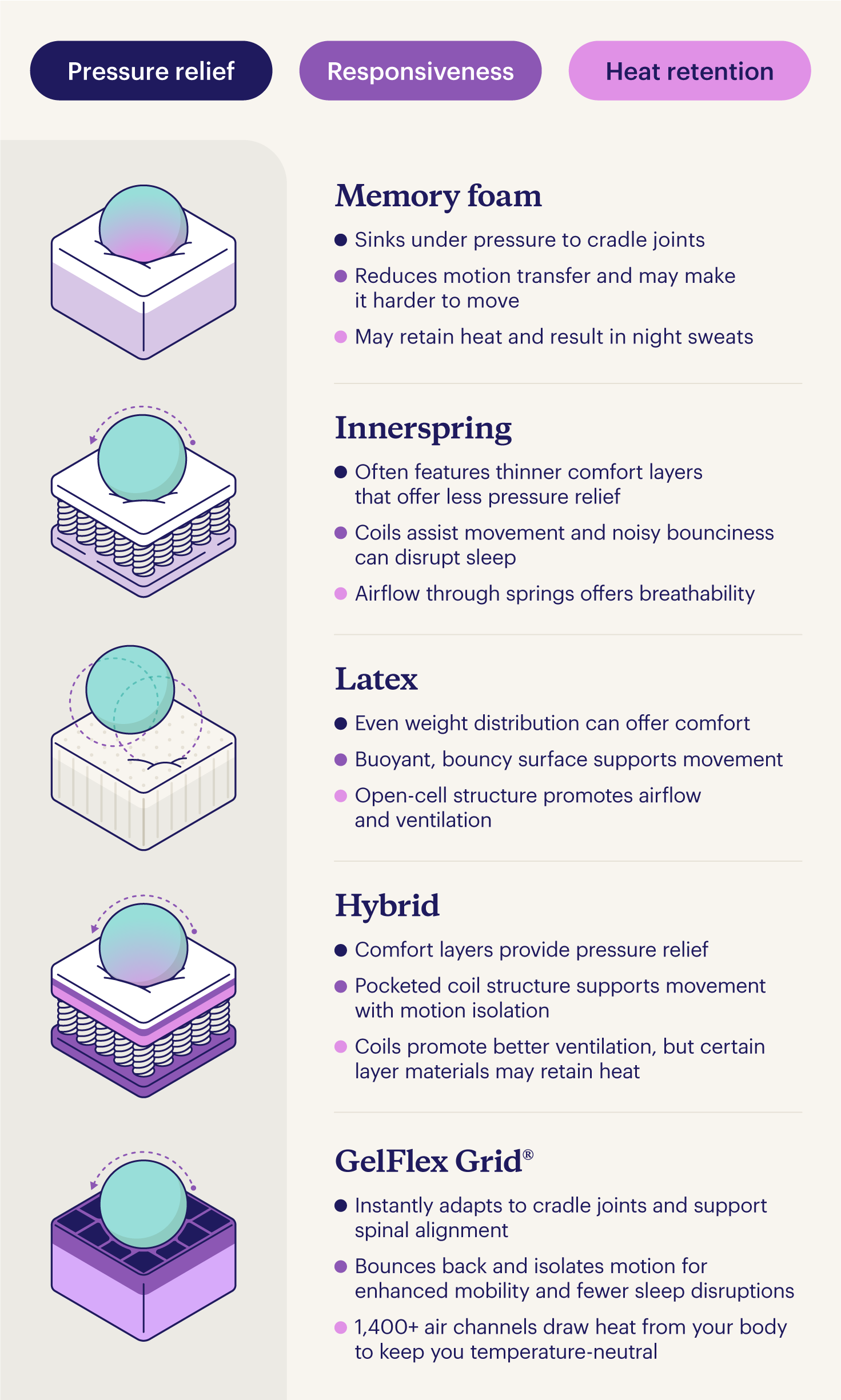
Im Vergleich zu innerspring beds, memory foam mattresses are considered more comfortable, as memory foam distributes weight evenly across the body, relieving pressure points and other aches and pains. Innerspring mattresses are less popular today, but their coil structure offers more stable structural support than memory foam options.
Memory Foam vs. Latex Mattresses
Latex mattresses are known for springing back more quickly than memory foam mattresses, though their responsiveness can mean more motion transfer, which can result in more frequent sleep disruptions.
Sleepers who move around a lot at night may find that latex mattresses are better than memory foam beds, since they reform to the body more quickly.
Memory Foam vs. Hybrid Mattresses
Hybrid mattresses might be a good fit for sleepers who find coil mattresses too firm and memory foam too contouring and hugging. Blending the structure of pocketed coils and the cushion of materials like memory foam, hybrid mattresses provide support for spinal alignment as well as ample pressure relief.
Memory Foam vs. GelFlex Grid® Mattresses
The GelFlex Grid® is unlike any other sleep technology, with more than 1,400 individual air channels across a hyper-elastic polymer grid that stretches and adapts to your body as you lie down and shift positions. Compared to memory foam, GelFlex Grid® mattresses typically excel in:
- Dissipating body heat
- Cradling sensitive joints and pressure points
- Supporting broader surfaces
- Providing a comfortable sleep surface regardless of sleep position
Memory foam beds may also have lower Gewichtsgrenzen, making them more prone to sagging for couples, co-sleeping families, and heavier individuals. If you have any concerns about memory foam mattresses, consider a Purple Matratze Stattdessen.
How Long Does a Memory Foam Mattress Last?
Memory foam mattresses typically last between seven and 10 years, but this estimate depends on the quality of the mattress, foam density, and how well you take care of it.
Properly cleaning and maintaining a memory foam mattress entails:
- Using a mattress protector: In most cases, Sie sollten einen Matratzenprotektor verwenden to keep your mattress in good condition. A Wasserdichter Matratzenschutz that enhances the benefits of your mattress is especially useful.
- Spot-cleaning immediately: If something spills on the surface of your mattress, mop it up as quickly as possible to prevent it from staining or absorbing into the bed.
- Rotating it regularly: Promoting even wear can help prevent premature sagging. Follow the manufacturer’s guidelines for how often you should rotate your mattress, and remember that most modern mattresses should not be flipped.
If you notice your mattress has started to develop lumps or divots, you can take steps to fix your sagging mattress. That said, it’s best to try to prevent deterioration in the first place so your mattress can support you comfortably as long as possible.
What Is the Best Memory Foam Mattress Alternative?
The best mattress is one that will ultimately provide you with the qualities you seek for a good night’s sleep. Everyone has their own specific needs when it comes to sleeping well, and doing research is key to helping you find a mattress that’s the right fit for you. Learning what memory foam is and how it compares to other options is a step toward finding a mattress that will help you fall and stay asleep, and wake up feeling rested.
If you’re in the market for a new mattress, Purple mattresses provide full-body support, adaptive pressure relief, and temperature balancing comfort, making them some of the best alternatives to all types of memory foam mattresses.
Purple mattresses instantly adapt to your body, offering targeted comfort and support while promoting airflow. Their flexibility makes them some of the beste Matratzen für verstellbare Betten so you can configure your bedroom to your preferences for truly restorative sleep.
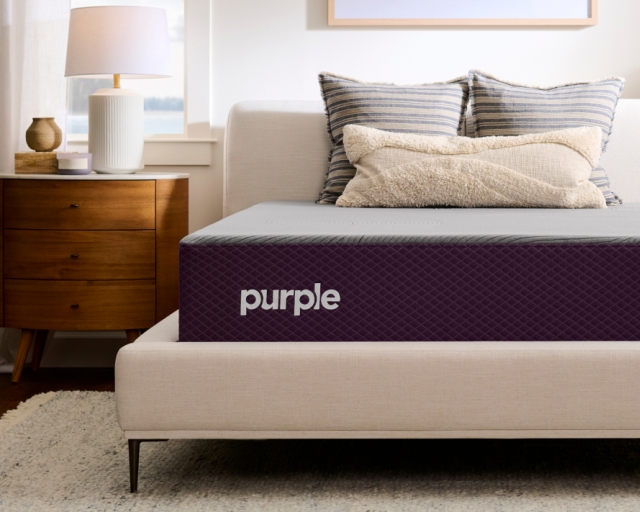
Maximieren Sie Ihre SchlafqualitätTEST
Genießen Sie Kühlkomfort und Ganzkörperunterstützung mit PurpleRevolutionär GelFlex Grid® in jeder Matratze.TEST
FAQ
Charles Yost, an aeronautical engineer and NASA contractor, is credited for the invention of memory foam.4 NASA employed him to develop a new material for airline seats to enhance comfort and safety.
Memory foam was invented in 1966, but it wasn’t until the 1990s that memory foam mattresses entered the market.
No, traditional memory foam does not contain latex. Some modern memory foam mattresses may include layers of latex, so if you have a latex allergy, it’s important to verify the materials used in your mattress before buying.
Memory foam itself is not waterproof, and it may absorb liquids if spills are not quickly cleaned, which can result in mold and mildew growth. The best way to protect a memory foam mattress is by covering it with a waterproof mattress protector.
No, memory foam mattresses do not need a box spring. In fact, a box spring may not provide adequate support for a memory foam mattress, resulting in uneven wear and premature sagging. Instead, consider alternative Typen von Bettrahmen, like platform beds and adjustable bases.
Mehr zu entdecken
Stufen Sie Ihre Schlafroutine mit unseren beliebtesten Produkten auf.
-
Bestseller Schnellschiff
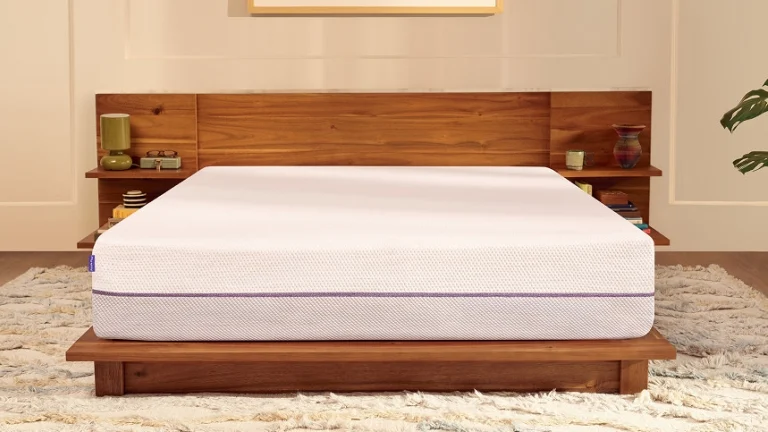
PurplePlus® Matratze
von Is €2099 EuroShop PurplePlus® Matratze2" GelFlex Grid + Ultra Comfort Schicht für zusätzliche Dämpfung, Druckentlastung und Stabilität.
-
Das Original Purple
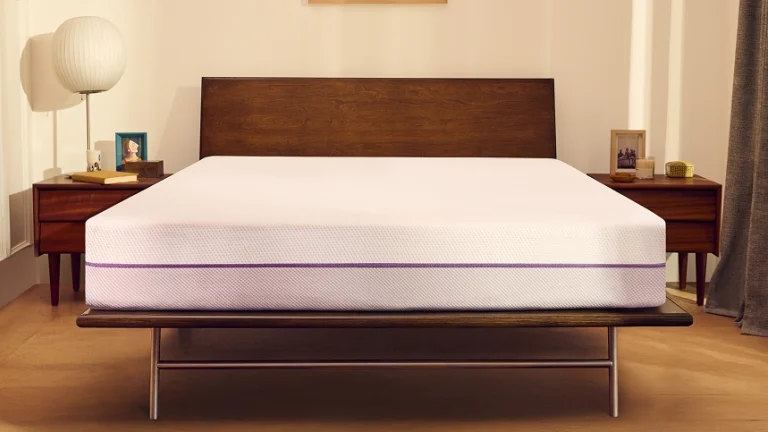
Die Purple Matratze®
von Is €1599 EuroShop The Purple Matratze®2" GelFlex Gitter + Komfortschaum für ausgewogene Unterstützung + Druckentlastung.
-
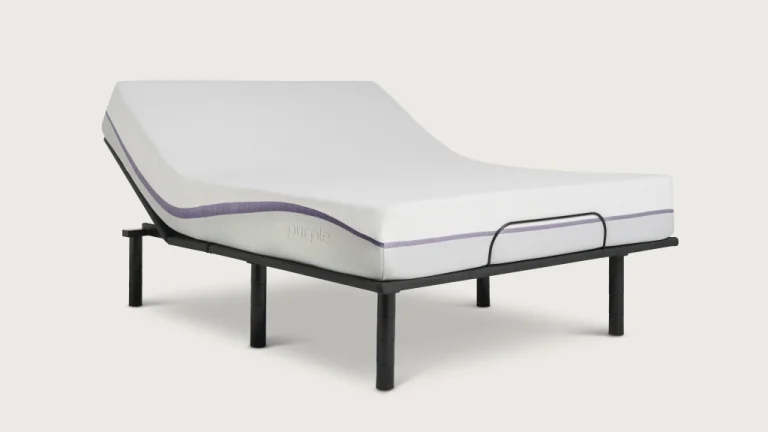
Purple Anpassbare Basis
von Is €699 EuroLadengeschäft Purple Anpassbare BasisSchlaf oder setze dich an deiner perfekten Neigung
Über die Autoren

Cecilia bringt über fünf Jahre Schreiberfahrung mit, die sich hauptsächlich auf Lifestyle- und Gesundheitsthemen konzentrieren. Sie hat einen Bachelor-Abschluss in Medien und Journalismus von der University of South Dakota. Sie ist sowohl eine Fürsprecherin für den Schlaf als auch eine Nachteule im Herzen.

Tyler Wright ist Senior Product Manager für Matratzen. Mit über 10 Jahren Erfahrung in der Produktentwicklung widmet er sich der Entwicklung innovativer Produkte, die das Leben verbessern und verbessern. Bei Purple bedeutet das, Produkte zu bauen, die den Menschen helfen, den besten Schlaf aller Zeiten zu bekommen.